
Pesticides are contaminating our food and wild spaces, harming both human health and the ecosystems we all depend on. From bees and birds to rivers and soil life, the impact of chemical-intensive farming is becoming harder to ignore.
Across the UK, growing numbers of people are asking a simple question: surely we can farm differently?
The answer is yes — and many farmers already are.
Why glyphosate matters
Glyphosate, the active chemical in weedkillers such as Roundup, is now found widely across our landscapes and waterways and residues can also end up in food products including bread, breakfast cereals and beer.
There is mounting concern about the long-term impacts of glyphosate exposure on human health, with studies linking it to serious conditions including cancers, liver disease and disruption of the gut microbiome. At the same time, its effects on wildlife are profound. Bees struggle to survive after contamination, while the widespread use of herbicides strips away habitats and food sources for birds, insects and mammals.
One of the most controversial uses of glyphosate is pre-harvest desiccation — spraying crops shortly before harvest to dry them faster and create a more uniform crop. Because this happens so close to harvest, residues are more likely to remain in the food we eat and the surrounding environment.
The European Union has already banned this practice. The UK now has an opportunity to follow suit.
The Soil Association is calling on the UK government to take meaningful action by:
- Banning the use of glyphosate for pre-harvest desiccation
- Strengthening protections around pesticide residues in food
- Supporting farmers to transition to nature-friendly farming practices
This is not about blaming farmers. Many are already growing crops successfully without pre-harvest glyphosate, while others need practical support, fair policy and investment to transition away from chemical dependency.
Protecting public health and restoring nature must go hand in hand with supporting resilient, thriving farms.
Beyond reducing pesticides: a different vision for farming
While reducing harmful pesticide use is an essential first step and we fully support the Soil Association’s campaign, biodynamic farming offers a deeper and more holistic approach to agriculture.
Biodynamic farming begins with organic principles and builds upon them. It views the farm as a living organism — where soil, plants, animals and people are all interconnected. The aim is not simply to replace synthetic chemicals, but to create genuinely healthy and resilient farming systems.
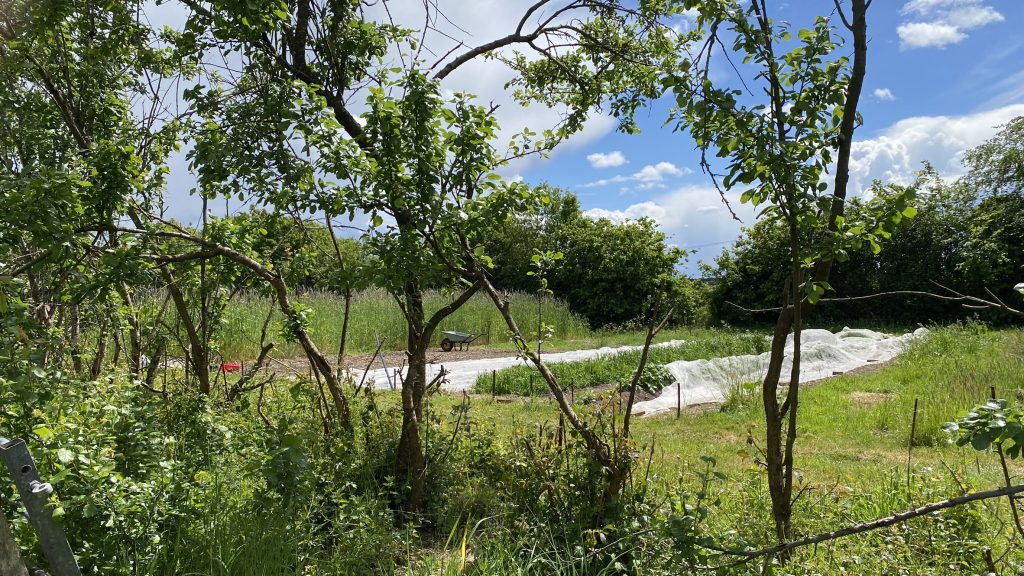
Biodynamic practices include the use of herbal and mineral preparations designed to enhance soil fertility, stimulate biological activity and strengthen plants naturally. By nurturing living soils and supporting biodiversity, biodynamic farmers can grow abundant, nutrient-dense food without relying on chemical fertilisers or pesticides.
At its heart, biodynamics is about working with nature rather than trying to dominate it, building resilience, vitality and long-term health for both the land and the communities it supports. Nature already contains extraordinary intelligence and balance and we see this in evidence throughout our growing family of farms.
A moment for change
The conversation about pesticides is really part of a much bigger conversation about the future of food and farming.
Do we continue down a path of increasing chemical dependency and ecological decline? Or do we support farming systems that restore soil health, protect biodiversity and nourish people properly?
The good news is that alternatives already exist. Across the UK, biodynamic and organic farmers are proving every day that food can be grown in ways that regenerate landscapes rather than degrade them.
Now is the time to support that transition.Change begins with the choices we make — as citizens, consumers, growers and communities. Support the Soil Association campaign and discover how the Biodynamic Land Trust is helping secure land for ecological farming across the UK.
Published by